Strategic Partnerships for Sustainable Newcomer & MLL Success
Supporting Multilingual Learners (MLLs) and newcomer students requires both high-level strategy and deep empathy. At New Chapter USA, we move beyond one-off, generic presentations. We engineer customized instructional pathways and backend systems that honor your team’s existing efforts while removing the implementation burden from their shoulders.
Founded by Dr. Mehtap Akay (Ph.D. in Teacher Education with 17+ years of international K–12, university, and instructional leadership experience), our work translates complex compliance mandates into sustainable, everyday classroom success.
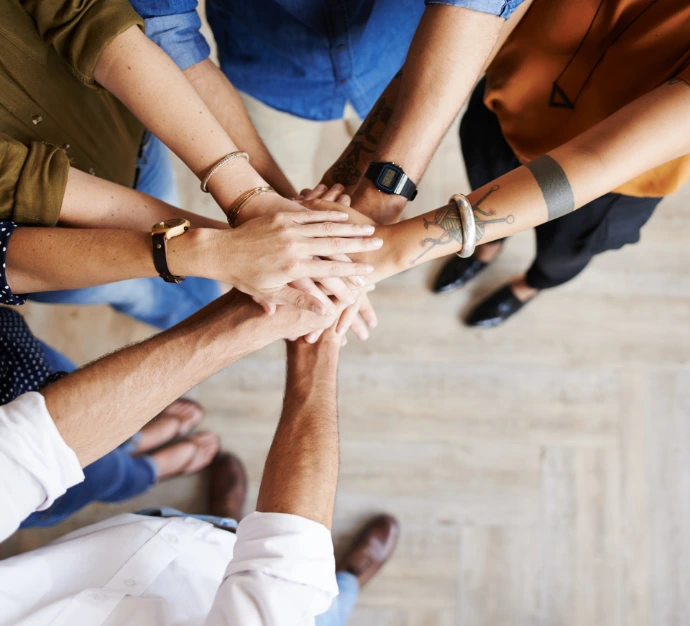
The New Chapter MLL Instructional Partnership Model
Sustainable student progress begins with safety and belonging. Our proprietary framework bridges regulatory compliance and genuine human connection through three core pillars:
Belonging & Embedded SEL: Trauma-informed, asset-based practices integrated directly into daily academic routines to lower student anxiety without requiring separate curricula.
Frontline-Focused Support: Practical, non-evaluative strategies engineered for immediate classroom realities—delivered via side-by-side coaching or targeted professional learning.
Protected Staff Capacity: Turnkey, classroom-ready tools that fit existing schedules, directly combating teacher burnout and lesson-planning fatigue.
Each partnership begins with listening — so we can co-create solutions that truly work for your educators, staff, and students.
Partnership Pathways: Balancing Compliance and Human Connection
We recognize that leadership teams and staff are already working tirelessly to meet complex institutional mandates and rigorous compliance benchmarks. Our goal is never to add to your operational workload, but to serve as an active anchor—creating a seamless bridge between regulatory requirements and the human heart of your daily environment.
Whether you utilize a single targeted module or a comprehensive, multi-month integration, our frameworks function as strategic blueprints. They are engineered to align seamlessly with Title I, II-A, Title III, and state or specialized grant parameters, while remaining deeply customized to your organization’s unique population.
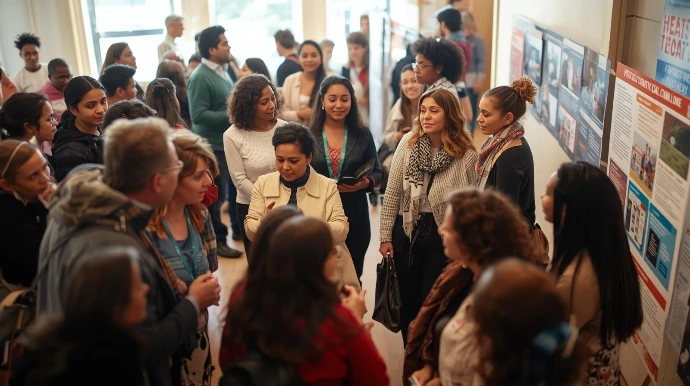
Modular Professional Development Packages & Specialized Toolkits
Best for: School districts, universities, refugee resettlement agencies, and non-profits seeking targeted capacity through standalone workshops, flexible training series, or budget-friendly digital assets.
We equip educators, case managers, and practitioners across K-12, higher education, and adult learning spaces with actionable tools to foster immediate belonging, equity, and MLL success.
💡 Custom Integration: Your Vision, Your Budget
We replace rigid, off-the-shelf presentations with fully modular frameworks tailored to your operational realities—whether maximizing complex federal funds (Title I, II-A, III) or optimizing a modest non-profit budget. We listen to your goals, map your highest-need areas, and handle the entire backend design so implementation is completely friction-free.
Design Your Engagement
Flexible Lengths: High-impact 1-hour webinars to deep-dive multi-day workshop series (1–5 days or custom multi-week cohorts).
Custom Timing: Aligned perfectly to your calendar, including mid-year resets, semester-long cohorts, or summer intensives.
Delivery Modalities: In-person, fully remote, or hybrid to match your team’s logistics seamlessly.
On-Demand Resources: Low-stress, standalone e-courses, specialized toolkits, and digital resource guides engineered for self-paced learning.
Modular Topics: Mix, Match & Bundle
Select and combine specialized topics to build a unique training or consulting series tailored to your organization's immediate priorities.
Every module listed below can be delivered as an Interactive Workshop, an On-Demand Webinar, a Specialized Digital Toolkit (with permanent internal licensing), or via Side-by-Side Instructional Coaching. All pathways are fully adjustable in length and customized around your specific staff data and MLL population needs.
Targeted Instructional Coaching & Curriculum Differentiation: Supportive, non-evaluative 1-1 or grade-level coaching to help educators comfortably scaffold core lessons, differentiate instruction for mixed-proficiency levels, and significantly reduce daily teacher planning workloads. Includes collaborative planning, real-time modeling, and ready-made scaffolding templates.
Proactive SEL for Multilingual Classrooms: Actionable social-emotional learning frameworks seamlessly integrated into daily academic routines to protect staff capacity while deepening authentic trust with newcomer and MLL youth. Focuses on low-anxiety check-ins and non-verbal connection strategies that embed directly into regular lessons.
Culturally & Linguistically Responsive Practices: Equipping educators with practical, asset-based strategies that honor students' native languages and cultural wealth. We focus on building classroom routines that naturally support identity development, foster deep student belonging, and increase daily engagement for newcomer and MLL youth. Includes utilizing translanguaging methods that turn a student's linguistic background into an academic asset.
Trauma-Informed Language Teaching (K-12 & Adult Education): Hands-on strategies and ready-to-use tools designed for educators, case managers, and program staff supporting newcomer, refugee, and MLL learners from youth through adulthood. This focus addresses the unique socio-emotional and educational needs of students rebuilding their educational journeys by prioritizing cognitive load management, predictable classroom routines, and neutralizing hidden environmental triggers.
Cross-Cultural Family Partnerships & Relational Trust: Equipping family engagement specialists, liaisons, and school staff with concrete frameworks to welcome arriving immigrant and refugee families. We provide research-based, practical strategies to strengthen cross-cultural communication, establish welcoming learning environments, and build lasting community alliances. Provides systems for localized family intakes, community mapping, and culturally responsive communication.
Custom Resources & Digital Repositories: Development of original, classroom-ready materials, digital guides, and cloud-based repositories tailored precisely to your organization's specific newcomer and MLL assets and priorities. These resources can be developed across any of our core focus areas or fully customized to meet the unique needs of your specific learner populations and educators. Builds permanent, sustainable online hubs and staff onboarding toolkits to ensure institutional continuity.
The Outcome: Your team gains immediate, "Monday-morning ready" action plans and toolkits to support MLLs and newcomers, while your institution builds deeper trust, measurable impact, and long-term sustainable capacity.
Let’s Partner Together
Ready to align your priorities with a customized solution? Whether you are looking to maximize remaining Title funds before the fiscal year-end or need a modular package tailored to a modest budget, we are here to co-create with you.
Click below to schedule a 15-minute call to customize your PD package for a unique partnership that meets your institutional priorities.

Sustainable Institutional Partnerships
Best for: K-12 school districts, university teacher-prep programs, and regional organizations seeking long-term structural transformation without overextending internal teams.
Lasting institutional stability requires embedded structural support. This flagship framework serves as a professional bridge between your high-level policy goals and daily operational realities—handling the backend design and implementation of a custom internal infrastructure to protect your leadership from administrative strain.
💡 Individualized, Data-Driven Calibration
We build every framework from the ground up around your specific institutional benchmarks and funding parameters (including Title I, II-A, Title III, or specialized grant streams).
Flexible Scaling: We manage the implementation process from start to finish across your timeline—whether deploying a full-year partnership, an intensive semester cohort, or targeted seasonal launches (like summer teacher institutes or refugee programming).
Targeted Cohorts: Pathways are mapped directly to your priority groups, including integrated departments (aligning language specialists with general staff), new hire cohorts, or dedicated field practitioners.
Budget Calibration: We scale the intensity and format to respect your financial baseline, delivering maximum institutional impact with minimal administrative overhead.
Protecting Staff Bandwidth & Retention
We do not introduce new compliance burdens; we streamline how your existing work is managed to directly mitigate professional burnout.
Asset-Based Support: We meet your team exactly where they are, validating and building upon their current strengths rather than demanding overwhelming procedural shifts.
Non-Evaluative Coaching: Side-by-side, 1-1 live coaching and collaborative planning provide supportive, real-time mentorship rather than evaluative scrutiny.
Reduced Cognitive Load: We translate complex mandates into practical, "bite-sized" daily workflows and ready-to-use resources to naturally support staff retention.
The Grounded Path to Growth: When systemic infrastructure handles the backend heavy lifting, staff feel supported, and learner anxiety drops. This creates a natural culture of safety and belonging that organically drives active engagement, improved attendance, and sustainable academic progress
Core Dimensions of Impact
Our work dynamically targets three core areas, requiring minimal oversight from your leadership team:
Compliance & Systemic Optimization: Evaluating intake and operational touchpoints to align cleanly with state mandates while maximizing your federal grant utilization.
Cross-Departmental Alignment: Breaking down institutional silos to establish a predictable, unified instructional framework across all specialized and general staff.
Sustainable Resource Architecture: Building a centralized internal digital repository of custom toolkits, ensuring your team retains long-term access to assets that adapt as your demographics evolve.
Let’s Discuss Your Priorities
Our implementation maps completely to your organization's calendar and parameters. We invite you to an exploratory conversation to align your specific targets and budget. From there, we handle the heavy lifting.
The New Chapter Approach: Expertise Matched to Your Reality
Our framework bridges the gap between academic rigor and lived experience. Founded by Dr. Mehtap Akay (Ph.D. in Teacher Education with 17+ years of classroom and leadership experience and personal roots in forced migration), we deliver field-tested, highly empathetic strategies that value the work your team is already doing.
We anchor our collaborative approach in four core operational commitments:
Protected Staff Capacity: We build "bite-sized," practical tools designed to lighten the daily workload, combat burnout, and restore professional agency across both educational and community settings.
Belonging & Holistic Success: Lasting growth begins with safety. We structure asset-based pathways for newcomers and families that cultivate an immediate culture of belonging, organically driving active participation and attendance.
Optimized Funding Streams: Every pathway aligns cleanly with institutional budgets—structured as allowable supplemental uses of Title I, II-A, and Title III federal funds for districts, or modularly scaled to maximize grant parameters for non-profits.
Individualized Calibration: We reject rigid playbooks. Every workshop, digital toolkit, and consulting engagement is customized around your data, specific demographics, and immediate organizational targets.